Derick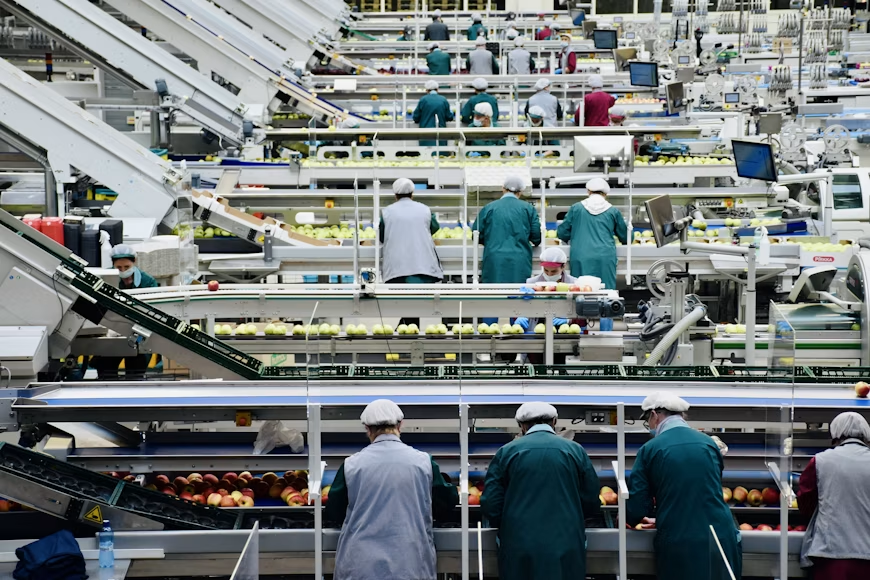
Food production and processing is one of the most important industries in the world because it ensures that raw agricultural products are transformed into safe, edible, and market-ready food. Every meal consumed in homes, restaurants, schools, and hospitals depends on a long chain of workers involved in growing, handling, processing, packaging, and distributing food.
In South Africa and many other countries, the food industry plays a major role in employment creation, economic growth, and food security. Careers in food production and processing are diverse, ranging from factory-based technical roles to quality control, logistics, and food science professions.
This article explores different career opportunities in food production and processing, the skills required, training pathways, and future opportunities in the industry.
Understanding Food Production and Processing
Food production refers to the initial stages of creating food products, including farming, harvesting, and collecting raw materials. Food processing involves transforming these raw materials into consumable or packaged food products through methods such as:
- Cleaning and sorting
- Cooking and baking
- Freezing and preservation
- Canning and bottling
- Packaging and labeling
The goal of food processing is to ensure food safety, extend shelf life, and improve taste, quality, and convenience.
Importance of the Food Production Industry
The food production and processing industry is essential for several reasons:
- Ensures food security for growing populations
- Creates large-scale employment opportunities
- Reduces food waste through preservation
- Adds value to agricultural products
- Supports export markets and trade
- Contributes to economic development
Without this industry, raw agricultural products would not reach consumers in a usable and safe form.
Food Production Operative Careers
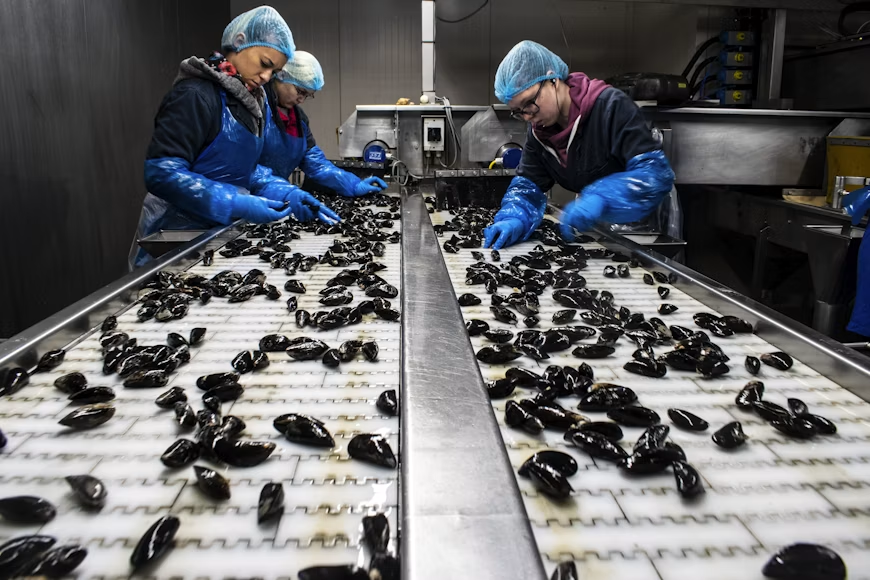
Food production operatives work directly in factories where food is processed and packaged.
Their responsibilities include:
- Operating production machinery
- Sorting and preparing raw ingredients
- Packing finished products
- Maintaining cleanliness and hygiene standards
- Following safety procedures
This is often an entry-level role that provides opportunities for career growth within the industry.
Food Processing Machine Operator
Machine operators are responsible for running and monitoring industrial food processing equipment.
Their duties include:
- Setting up machines for production
- Monitoring production lines
- Adjusting machine settings
- Performing basic maintenance checks
- Ensuring product quality standards
This role requires attention to detail and technical understanding of machinery.
Quality Control Technician
Quality control technicians ensure that food products meet safety and quality standards before reaching consumers.
Their responsibilities include:
- Inspecting raw materials and finished products
- Testing food samples in laboratories
- Checking hygiene compliance
- Recording production data
- Identifying defects or contamination risks
This role is critical for protecting public health and maintaining brand reputation.
Food Safety Inspector
Food safety inspectors ensure that food production facilities comply with health and safety regulations.
They are responsible for:
- Inspecting factories and production lines
- Enforcing hygiene standards
- Investigating food safety violations
- Ensuring compliance with legal requirements
- Reporting findings to regulatory bodies
This career is essential for maintaining national food safety standards.
Food Technologist
Food technologists use science and innovation to improve food production processes and product quality.
Their work includes:
- Developing new food products
- Improving shelf life and packaging
- Testing ingredients and formulations
- Ensuring nutritional value
- Researching food preservation methods
This role combines science, creativity, and technical knowledge.
Packaging and Production Line Worker
Packaging workers play a key role in preparing food products for distribution.
Their tasks include:
- Labeling products correctly
- Packaging food items securely
- Checking product expiry dates
- Ensuring packaging quality standards
- Operating packaging machines
This role ensures that food reaches consumers in safe and presentable condition.
Warehouse and Distribution Roles
Food production is closely linked to logistics and supply chain management.
Common roles include:
- Warehouse assistant
- Inventory controller
- Forklift operator
- Distribution coordinator
Responsibilities include:
- Storing food products safely
- Managing stock levels
- Preparing orders for delivery
- Ensuring timely distribution
Agricultural Supply Chain Worker
These workers support the movement of raw agricultural products from farms to processing facilities.
Their duties include:
- Transporting raw materials
- Handling storage logistics
- Monitoring product freshness
- Coordinating deliveries
They ensure that food ingredients reach processors in good condition.
Bakery and Food Manufacturing Careers
Food processing includes specialized manufacturing sectors such as baking and dairy production.
Bakery Production Roles
- Baker assistant
- Industrial baker
- Dough mixer operator
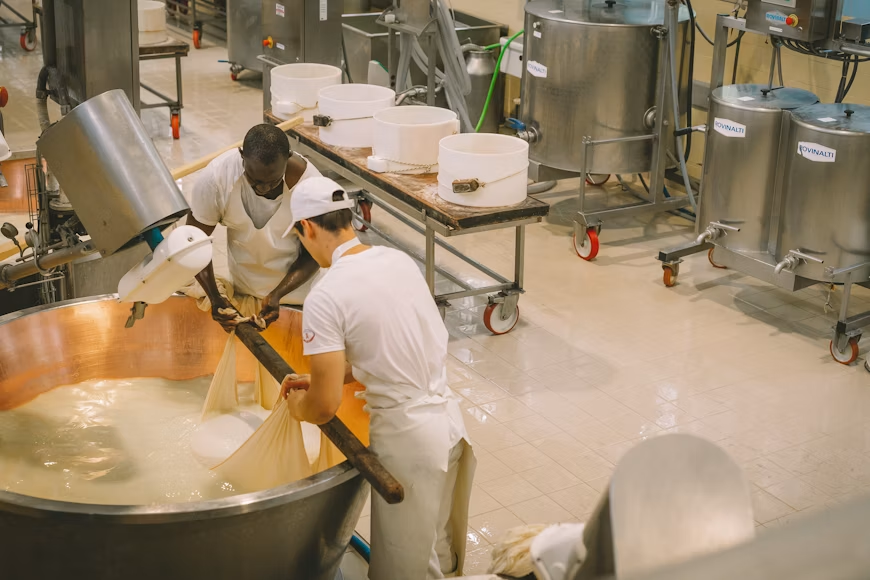
Dairy Processing Roles
- Milk processing technician
- Pasteurization operator
- Dairy packaging worker
These roles involve producing large-scale food items for retail distribution.
Meat and Poultry Processing Jobs
The meat industry is a major part of food processing.
Common roles include:
- Meat cutter
- Slaughterhouse worker
- Meat packaging technician
- Hygiene inspector
These roles require strict adherence to hygiene and safety standards.
Skills Required in Food Production Careers
Working in food production and processing requires both technical and personal skills.
Technical Skills
- Machine operation
- Food safety knowledge
- Quality control procedures
- Packaging techniques
- Basic mechanical understanding
Soft Skills
- Attention to detail
- Teamwork
- Time management
- Physical endurance
- Discipline and responsibility
Hygiene awareness is especially important in all food-related roles.
Education and Training Pathways
There are several ways to enter the food production industry.
Entry-Level Requirements
Many roles require:
- Basic education (Grade 10–12)
- Willingness to learn on the job
- Physical fitness
Vocational Training
Training programmes may include:
- Food processing certificates
- Hospitality and catering courses
- Industrial manufacturing training
Higher Education
For advanced roles such as food technologists, qualifications may include:
- Food science degrees
- Biotechnology studies
- Agricultural science qualifications
Career Growth Opportunities
Food production careers offer strong growth potential for dedicated workers.
A typical progression may include:
- Entry-level production worker
- Machine operator
- Supervisor
- Quality control manager
- Production manager
With experience and training, workers can advance into senior technical or management roles.
Workplace Conditions in Food Processing
Food production environments often involve:
- Factory-based work
- Shift systems (day/night shifts)
- Strict hygiene standards
- Fast-paced production lines
- Repetitive tasks
While demanding, these environments provide stable employment opportunities.
Challenges in Food Production Careers
Like any industry, food production has challenges such as:
- Physically demanding work
- Long working hours or shift work
- Strict safety requirements
- Exposure to cold or industrial environments
- Repetitive tasks
Despite these challenges, many workers build long-term careers in the sector.
Importance of Food Safety Standards
Food safety is a top priority in this industry.
Standards ensure:
- Safe consumption for the public
- Prevention of contamination
- Compliance with legal regulations
- Protection of public health
Workers must follow strict hygiene and safety procedures at all times.
Future of Food Production Careers
The future of food processing is evolving due to technology and innovation.
Key trends include:
- Automation in production lines
- Smart food processing systems
- Sustainable packaging solutions
- Increased demand for processed foods
- Growth in export markets
These trends will create new job opportunities and require more skilled workers.
Entrepreneurship in Food Production
The industry also offers opportunities for small business development.
Examples include:
- Catering services
- Bakery businesses
- Food packaging companies
- Frozen food production
- Snack manufacturing
Entrepreneurs can start small and grow into larger production businesses.
Conclusion
Careers in food production and processing are essential to ensuring that food is safe, accessible, and available to consumers. This industry offers a wide range of opportunities, from factory operatives and machine operators to food technologists and quality control specialists.
Although some roles are physically demanding, they provide stable employment and strong career growth potential. With proper training, discipline, and experience, workers can advance into supervisory and management positions or even start their own food-related businesses.
As technology continues to transform the food industry, new opportunities will emerge, making food production and processing a vital and growing career field for the future.