Derick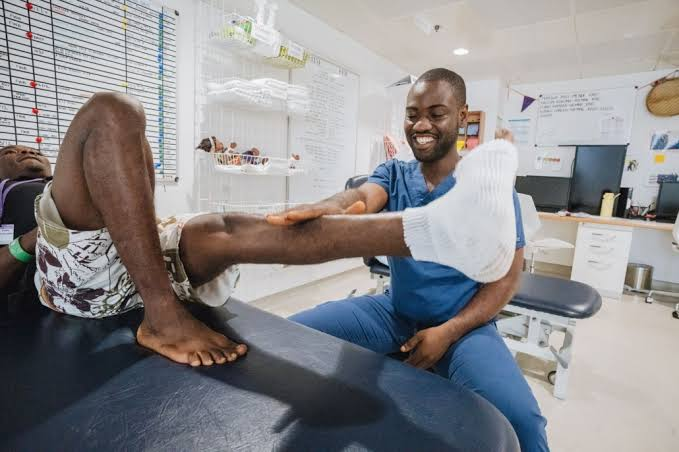
Career as a Physiotherapist
Introduction
A career as a physiotherapist is one of the most rewarding professions in the healthcare industry. Physiotherapists are healthcare professionals who help people improve movement, reduce pain, recover from injuries, and restore physical function. Their work enables individuals of all ages to live healthier, more active, and independent lives after illness, injury, surgery, or disability.
In South Africa, physiotherapists play an important role in hospitals, rehabilitation centres, sports facilities, community healthcare programmes, private practices, and educational institutions. They work closely with medical doctors, occupational therapists, nurses, speech therapists, psychologists, and other healthcare professionals to provide comprehensive patient care.
Physiotherapy is much more than treating sports injuries. Physiotherapists help patients recovering from strokes, spinal cord injuries, fractures, joint replacements, neurological disorders, chronic pain, respiratory illnesses, and many other medical conditions. They also educate patients on preventing injuries, improving posture, increasing mobility, and maintaining physical fitness.
Advances in healthcare and increasing awareness of physical rehabilitation have contributed to growing demand for physiotherapists across South Africa. As more people require rehabilitation after surgery, trauma, chronic illness, or ageing, qualified physiotherapists continue to play a vital role in improving quality of life.
Although becoming a physiotherapist requires several years of university education and practical clinical training, the profession offers excellent career stability, competitive salaries, opportunities for specialisation, and the satisfaction of helping people regain their independence.
If you enjoy biology, anatomy, exercise, healthcare, and working closely with people, physiotherapy could be an excellent career choice. This guide explains everything you need to know about becoming a physiotherapist in South Africa, including educational requirements, career opportunities, essential skills, work environments, salary expectations, and future employment prospects.
What Does a Physiotherapist Do?
A physiotherapist is a licensed healthcare professional who assesses, diagnoses, treats, and prevents physical movement disorders caused by injury, illness, disability, ageing, or medical conditions.
Their primary goal is to help patients restore movement, reduce pain, improve physical function, and prevent future injuries.
Unlike many healthcare professionals who rely mainly on medication or surgery, physiotherapists use physical techniques and rehabilitation programmes to promote healing and recovery.
Some of their daily responsibilities include:
- Assessing patients’ physical conditions
- Diagnosing movement problems
- Developing personalised treatment plans
- Teaching rehabilitation exercises
- Improving joint mobility
- Reducing pain through manual therapy
- Assisting patients after surgery
- Treating sports injuries
- Helping patients recover after strokes
- Improving balance and coordination
- Educating patients about injury prevention
- Monitoring patient progress
- Keeping detailed treatment records
Physiotherapists use a variety of treatment methods depending on each patient’s condition.
These may include:
- Therapeutic exercise
- Manual therapy
- Massage techniques
- Stretching programmes
- Strength training
- Electrotherapy
- Ultrasound therapy
- Heat and cold therapy
- Hydrotherapy
- Postural correction
- Balance training
- Respiratory physiotherapy
Patient education forms a major part of physiotherapy. Physiotherapists teach patients how to perform exercises correctly, improve posture, prevent injuries, and maintain healthy lifestyles to reduce the likelihood of future physical problems.
How to Become a Physiotherapist in South Africa
Becoming a physiotherapist requires academic dedication, practical clinical training, and professional registration. The profession is regulated by the Health Professions Council of South Africa (HPCSA), which ensures that physiotherapists meet the required professional standards before they are allowed to practise independently.
The journey begins during high school.
Learners interested in physiotherapy should focus on achieving strong results in:
- Mathematics
- Physical Sciences
- Life Sciences
- English
These subjects provide the scientific foundation required for university studies.
After completing Grade 12, prospective physiotherapists must apply to a university offering an accredited Bachelor of Physiotherapy (BPhysio) degree or an equivalent qualification recognised by the HPCSA.
The degree generally takes four years to complete and combines classroom learning with practical laboratory work and supervised clinical placements.
During the programme, students study subjects such as:
- Human Anatomy
- Physiology
- Biomechanics
- Pathology
- Pharmacology
- Exercise Therapy
- Neurology
- Orthopaedics
- Cardiopulmonary Physiotherapy
- Musculoskeletal Physiotherapy
- Rehabilitation Sciences
- Clinical Physiotherapy
- Professional Ethics
Clinical placements allow students to gain practical experience by treating patients under the supervision of qualified physiotherapists in hospitals, rehabilitation centres, and community healthcare facilities.
After completing the degree, graduates must complete any required community service or internship requirements applicable at the time and register with the Health Professions Council of South Africa before practising independently.
Many physiotherapists later pursue postgraduate qualifications to specialise in advanced areas of physiotherapy.
Educational Requirements for a Career as a Physiotherapist
Physiotherapy is a science-based healthcare profession that requires strong academic preparation.
The minimum educational requirement is a National Senior Certificate (NSC) or an equivalent qualification that meets university admission requirements.
Recommended high school subjects include:
- Mathematics
- Physical Sciences
- Life Sciences
- English Home Language or First Additional Language
Strong marks in these subjects improve your chances of being accepted into a physiotherapy programme.
Admission to physiotherapy programmes is competitive because universities offer a limited number of places each year.
The Bachelor of Physiotherapy degree generally takes four years to complete.
Students receive both theoretical and practical training in subjects including:
- Anatomy
- Physiology
- Biochemistry
- Pathology
- Biomechanics
- Kinesiology
- Exercise Physiology
- Neurology
- Orthopaedics
- Cardiopulmonary Rehabilitation
- Paediatrics
- Geriatrics
- Community Health
- Professional Ethics
- Clinical Practice
Throughout the programme, students participate in supervised clinical rotations where they assess and treat patients with a wide variety of physical conditions.
These practical experiences prepare graduates for professional practice.
After graduation, physiotherapists must meet all professional registration requirements before practising legally in South Africa.
Many professionals continue their education by completing postgraduate diplomas, master’s degrees, or doctoral qualifications in specialised fields.
Skills Every Successful Physiotherapist Needs
Successful physiotherapists combine scientific knowledge with excellent interpersonal skills and physical ability. Their work requires both technical expertise and the ability to motivate patients throughout the rehabilitation process.
Below are some of the most important skills every physiotherapist should develop.
Excellent Communication Skills
Physiotherapists work closely with patients, families, and healthcare professionals.
Strong communication skills enable them to:
- Explain treatment plans clearly
- Demonstrate exercises
- Motivate patients
- Answer questions
- Collaborate with healthcare teams
- Provide health education
Effective communication improves patient understanding and treatment outcomes.
Compassion and Empathy
Many patients experience pain, disability, or emotional distress following illness or injury.
Compassionate physiotherapists:
- Listen carefully
- Encourage patients
- Show patience
- Respect individual needs
- Provide emotional support
Empathy helps build trust and motivates patients during rehabilitation.
Physical Fitness
Physiotherapists often demonstrate exercises, assist patients with movement, and spend long hours standing or walking.
Maintaining good physical fitness helps them perform their duties safely and effectively.
Problem-Solving Skills
Every patient has unique rehabilitation needs.
Physiotherapists evaluate symptoms, identify movement limitations, and develop personalised treatment plans to achieve the best possible outcomes.
Analytical thinking is essential for effective patient care.
Patience and Perseverance
Recovery often takes weeks or months.
Successful physiotherapists encourage patients to remain committed to their rehabilitation programmes, even when progress is slow.
Patience is essential for supporting long-term recovery.
Attention to Detail
Small changes in posture, movement, strength, or balance may indicate improvements or complications.
Careful observation helps physiotherapists adjust treatment plans appropriately.
Time Management
Physiotherapists frequently manage busy appointment schedules while treating multiple patients each day.
Good organisational skills help them:
- Manage appointments efficiently
- Maintain accurate patient records
- Complete documentation
- Balance clinical responsibilities
Commitment to Lifelong Learning
Healthcare continues to evolve through new research and rehabilitation techniques.
Successful physiotherapists regularly participate in continuing professional development, attend workshops, and complete additional training to remain up to date with best practices.
Physiotherapy is a highly respected healthcare profession that offers the opportunity to improve people’s mobility, independence, and quality of life. By combining scientific knowledge, clinical skills, compassion, and continuous learning, physiotherapists make a meaningful contribution to healthcare in South Africa. For individuals who enjoy helping others recover from injury or illness while promoting healthy movement, a career as a physiotherapist offers both personal fulfilment and excellent long-term career prospects.
Part 1B: Different Types of Physiotherapists and Their Specialties, A Day in the Life of a Physiotherapist, Where Physiotherapists Can Work in South Africa, How Long It Takes to Become a Physiotherapist, and Physiotherapist Salary Expectations in South Africa
Different Types of Physiotherapists and Their Specialties
Physiotherapy is a broad profession with many opportunities for specialisation. After qualifying and gaining practical experience, physiotherapists may choose to develop advanced expertise in specific areas of rehabilitation and patient care. These specialties allow professionals to focus on particular age groups, medical conditions, or treatment methods.
Below are some of the major physiotherapy specialties available in South Africa.
Orthopaedic Physiotherapist
Orthopaedic physiotherapists specialise in treating injuries and conditions affecting bones, muscles, joints, ligaments, and tendons.
They commonly treat:
- Fractures
- Sports injuries
- Arthritis
- Back pain
- Neck pain
- Joint replacements
- Muscle strains
- Ligament injuries
Treatment often includes rehabilitation exercises, manual therapy, stretching programmes, and strength training.
Neurological Physiotherapist
Neurological physiotherapists help patients with conditions affecting the brain, spinal cord, and nervous system.
Common conditions include:
- Stroke
- Parkinson’s disease
- Multiple sclerosis
- Spinal cord injuries
- Cerebral palsy
- Traumatic brain injuries
Their goal is to improve movement, balance, coordination, and independence.
Sports Physiotherapist
Sports physiotherapists work with athletes and physically active individuals.
Their responsibilities include:
- Preventing sports injuries
- Assessing injuries
- Rehabilitation programmes
- Performance improvement
- Return-to-play assessments
- Injury prevention education
They often work with schools, universities, sports clubs, and professional teams.
Cardiopulmonary Physiotherapist
These specialists treat patients with heart and lung conditions.
They assist individuals recovering from:
- Heart surgery
- Heart attacks
- Chronic obstructive pulmonary disease (COPD)
- Asthma
- Pneumonia
- Respiratory infections
Treatment focuses on improving breathing, endurance, and overall physical function.
Paediatric Physiotherapist
Paediatric physiotherapists specialise in treating infants, children, and adolescents.
They manage conditions such as:
- Developmental delays
- Cerebral palsy
- Genetic disorders
- Muscular conditions
- Birth injuries
- Orthopaedic problems
Their treatment programmes support healthy physical development and independence.
Geriatric Physiotherapist
Geriatric physiotherapists focus on caring for older adults.
They help patients manage:
- Arthritis
- Osteoporosis
- Balance disorders
- Falls
- Reduced mobility
- Joint stiffness
Their work promotes independence and improves quality of life for elderly patients.
Women’s Health Physiotherapist
Women’s health physiotherapists provide treatment for conditions affecting women throughout different stages of life.
These may include:
- Pregnancy-related pain
- Pelvic floor dysfunction
- Postnatal rehabilitation
- Urinary incontinence
- Recovery after gynaecological surgery
Community Physiotherapist
Community physiotherapists work within local healthcare programmes to improve access to rehabilitation services.
They often provide home visits, community education, disability support, and preventive healthcare services.
A Day in the Life of a Physiotherapist
Every working day presents new opportunities to help patients regain movement, independence, and confidence. Physiotherapists treat individuals with a wide variety of conditions, making every day both challenging and rewarding.
A typical day often begins by reviewing patient appointments and treatment plans.
Physiotherapists then assess each patient’s condition by:
- Reviewing medical history
- Asking about symptoms
- Observing movement
- Measuring strength
- Testing flexibility
- Evaluating balance and coordination
Following the assessment, they develop or update individual rehabilitation programmes.
Treatment sessions may involve:
- Guided exercises
- Manual therapy
- Joint mobilisation
- Stretching techniques
- Strength training
- Balance exercises
- Walking practice
- Respiratory therapy
- Pain management techniques
Physiotherapists carefully monitor patient progress and adjust treatment plans as recovery improves.
Patient education forms a major part of the working day.
They teach patients:
- Home exercise programmes
- Correct posture
- Safe lifting techniques
- Injury prevention
- Healthy movement habits
Physiotherapists also collaborate with other healthcare professionals to coordinate patient care.
Administrative responsibilities include:
- Updating patient records
- Writing progress reports
- Scheduling appointments
- Communicating with medical teams
- Maintaining treatment equipment
Although physiotherapy can be physically demanding, helping patients achieve meaningful improvements makes the profession highly rewarding.
Where Physiotherapists Can Work in South Africa
Qualified physiotherapists have a wide range of employment opportunities throughout both the public and private healthcare sectors.
Public Hospitals
Government hospitals employ physiotherapists to treat patients recovering from:
- Surgery
- Trauma
- Stroke
- Orthopaedic injuries
- Respiratory illnesses
- Neurological disorders
Public healthcare offers exposure to a broad range of medical conditions.
Private Hospitals
Private hospitals provide opportunities to work with multidisciplinary healthcare teams using modern rehabilitation equipment and advanced treatment methods.
Physiotherapists support patients before and after surgery while assisting with rehabilitation programmes.
Rehabilitation Centres
Specialised rehabilitation facilities employ physiotherapists to help patients recover after major injuries or illnesses.
Examples include:
- Spinal rehabilitation
- Neurological rehabilitation
- Orthopaedic rehabilitation
- Cardiac rehabilitation
Private Physiotherapy Practices
Many physiotherapists establish or join private practices.
Private practice allows physiotherapists to:
- Build long-term patient relationships
- Develop specialised services
- Manage their own businesses
- Increase professional independence
Sports Organisations
Sports physiotherapists work with:
- Professional sports teams
- Schools
- Universities
- Fitness centres
- Sports academies
- Athletic organisations
They focus on injury prevention, rehabilitation, and performance enhancement.
Community Healthcare Centres
Community physiotherapists provide rehabilitation services within local clinics and community health programmes.
They help improve access to healthcare in underserved communities.
Universities
Experienced physiotherapists with postgraduate qualifications may become lecturers, researchers, or clinical educators.
They train future physiotherapists while contributing to scientific research.
Occupational Health Services
Large companies employ physiotherapists to reduce workplace injuries, improve employee wellness, and assist injured workers in returning safely to work.
How Long Does It Take to Become a Physiotherapist?
Becoming a physiotherapist requires several years of university education and supervised clinical training.
The journey generally includes the following stages.
Complete Grade 12
Prospective students complete a National Senior Certificate with strong results in:
- Mathematics
- Physical Sciences
- Life Sciences
- English
Excellent academic performance improves university admission opportunities.
Complete a Bachelor of Physiotherapy Degree
Students enrol in a Bachelor of Physiotherapy (BPhysio) programme.
The qualification generally takes four years to complete and combines classroom learning with laboratory practicals and extensive clinical placements.
Clinical Training
Throughout the degree, students complete supervised clinical rotations in hospitals, rehabilitation centres, and community healthcare facilities.
These placements provide valuable practical experience treating real patients.
Professional Registration
Graduates must satisfy the registration requirements of the Health Professions Council of South Africa (HPCSA) before practising independently.
Registration confirms that physiotherapists meet national professional standards.
Postgraduate Study
Many physiotherapists continue their education through postgraduate diplomas, master’s degrees, doctoral programmes, or specialist certifications.
These qualifications expand career opportunities and support professional advancement.
Overall, becoming a qualified physiotherapist generally takes four years after Grade 12, with additional time required for postgraduate specialisation.
Physiotherapist Salary Expectations in South Africa
Physiotherapy offers competitive salaries and strong long-term earning potential. Income varies depending on qualifications, experience, employer, area of practice, and whether the physiotherapist works in the public or private sector.
Entry-Level Physiotherapists
New graduates entering the profession typically begin with competitive salaries while gaining practical experience.
Many start their careers in:
- Public hospitals
- Private hospitals
- Rehabilitation centres
- Community healthcare facilities
Experienced Physiotherapists
As physiotherapists gain experience, they often progress into senior clinical or management positions.
Examples include:
- Senior Physiotherapist
- Rehabilitation Manager
- Clinical Supervisor
- Practice Manager
These positions usually offer higher salaries and additional responsibilities.
Specialist Physiotherapists
Physiotherapists who complete postgraduate qualifications or develop expertise in specialised areas often earn higher incomes.
Specialists may work in:
- Sports rehabilitation
- Neurological rehabilitation
- Orthopaedics
- Cardiopulmonary rehabilitation
- Paediatrics
- Women’s health
Their advanced knowledge makes them highly valuable within the healthcare system.
Private Practice
Many experienced physiotherapists establish their own private practices.
Income depends on several factors, including:
- Number of patients treated
- Practice location
- Services offered
- Reputation
- Business management
- Relationships with medical aid providers
Successful private practices often provide significant long-term earning potential.
Factors That Influence Salary
Several factors affect physiotherapist salaries, including:
- Qualifications
- Years of experience
- Professional registrations
- Specialist training
- Geographic location
- Public or private sector employment
- Leadership responsibilities
- Continuing professional development
Physiotherapists who continue expanding their knowledge and skills generally experience improved career opportunities and increased earning potential.
Physiotherapy is a dynamic profession offering diverse career opportunities across hospitals, rehabilitation centres, sports medicine, private practice, research, education, and community healthcare. With growing demand for rehabilitation services, competitive salaries, and numerous opportunities for specialisation, physiotherapy remains one of South Africa’s most rewarding healthcare careers. Professionals who combine clinical excellence with compassion, lifelong learning, and effective patient care can enjoy a stable, fulfilling, and impactful career.
Advantages and Challenges of Being a Physiotherapist, Why This Job Is Worth Applying For, Skills That Increase Your Chances, and Career Growth Opportunities
Advantages and Challenges of Being a Physiotherapist
A career as a physiotherapist is both rewarding and demanding. Physiotherapists help people recover from injuries, manage chronic conditions, improve mobility, and regain independence after illness or surgery. Every day, they have the opportunity to make a positive difference in the lives of patients by helping them return to normal activities and improve their quality of life.
Like every healthcare profession, physiotherapy offers many benefits while also presenting challenges that require dedication, resilience, and continuous professional development.
Understanding both the advantages and challenges can help prospective students decide whether physiotherapy is the right career choice for them.
Advantages of Being a Physiotherapist
Helping People Regain Their Independence
One of the greatest rewards of physiotherapy is seeing patients recover and become more independent.
Physiotherapists assist people by:
- Reducing pain
- Restoring movement
- Improving strength
- Increasing flexibility
- Enhancing balance
- Supporting recovery after surgery
- Helping patients return to work or sport
Watching patients achieve milestones they once thought impossible provides enormous professional satisfaction.
Strong Demand for Physiotherapists
The demand for physiotherapists continues to increase across South Africa.
An ageing population, rising rates of chronic disease, sports injuries, road accidents, and improved access to rehabilitation services all contribute to the need for qualified physiotherapists.
Employment opportunities exist in:
- Public hospitals
- Private hospitals
- Rehabilitation centres
- Community healthcare
- Sports medicine
- Private practice
- Universities
- Occupational health services
Competitive Salary and Career Stability
Physiotherapy offers competitive salaries with excellent long-term career prospects.
Experienced physiotherapists and specialists often earn attractive incomes, particularly in private practice or specialised rehabilitation fields.
The profession also offers stable employment because rehabilitation services remain an essential part of healthcare.
Diverse Career Opportunities
Physiotherapists can work in many different environments.
Examples include:
- Hospitals
- Rehabilitation centres
- Sports organisations
- Schools
- Universities
- Community health programmes
- Private practices
- Corporate wellness programmes
This variety allows professionals to choose work that suits their interests and lifestyle.
Lifelong Learning
Healthcare continues to evolve with new rehabilitation techniques, treatment technologies, and scientific research.
Physiotherapists regularly expand their knowledge through:
- Continuing Professional Development (CPD)
- Workshops
- Conferences
- Specialist training
- Postgraduate qualifications
This creates an intellectually stimulating career with continuous opportunities for growth.
Professional Respect
Physiotherapists are highly respected members of multidisciplinary healthcare teams.
Doctors, nurses, occupational therapists, speech therapists, psychologists, and other healthcare professionals rely on physiotherapists to assist patients in achieving the best possible recovery.
Challenges of Being a Physiotherapist
While physiotherapy is highly rewarding, it also presents several challenges.
Physically Demanding Work
Physiotherapists spend much of their day standing, walking, lifting, bending, and assisting patients with movement.
Maintaining personal fitness and using proper body mechanics are essential to prevent workplace injuries.
Emotionally Demanding Cases
Some patients experience severe injuries, permanent disabilities, or life-changing illnesses.
Supporting these individuals and their families requires emotional resilience, empathy, and patience.
Slow Patient Progress
Recovery often takes weeks or months.
Some patients may become discouraged if improvement is slower than expected.
Physiotherapists must remain encouraging while helping patients stay committed to their rehabilitation programmes.
Managing Heavy Workloads
Busy hospitals and rehabilitation centres often require physiotherapists to treat many patients in a single day.
Effective time management and organisational skills are necessary to maintain high standards of patient care.
Keeping Up With New Research
Rehabilitation techniques continue to evolve.
Physiotherapists must regularly update their knowledge to ensure patients receive evidence-based treatment.
Continuous learning is an essential part of professional practice.
Why This Job Is Worth Applying For
Physiotherapy is an excellent career choice for individuals who enjoy helping others improve their health through movement and rehabilitation.
One of the profession’s greatest strengths is the opportunity to make a lasting difference in people’s lives. Helping someone walk again after surgery, recover from a stroke, return to sport after an injury, or regain independence following an accident provides tremendous professional satisfaction.
Another reason to choose physiotherapy is its strong employment outlook.
As healthcare systems continue expanding rehabilitation services, qualified physiotherapists remain in high demand across South Africa.
The profession also offers excellent flexibility.
Career opportunities exist in:
- Public healthcare
- Private healthcare
- Sports medicine
- Rehabilitation centres
- Universities
- Research institutions
- Community healthcare
- Occupational health
- International healthcare organisations
This variety allows physiotherapists to explore different career paths while remaining within the profession.
Physiotherapy also encourages lifelong learning.
Professionals may specialise in advanced fields such as neurological rehabilitation, sports physiotherapy, paediatrics, orthopaedics, cardiopulmonary rehabilitation, or women’s health.
Many physiotherapists eventually establish successful private practices, providing greater independence and increased earning potential.
Most importantly, physiotherapy offers meaningful work.
Helping patients recover, regain confidence, and improve their quality of life makes the profession personally rewarding and professionally fulfilling.
Skills That Increase Your Chances
Although earning a physiotherapy degree is essential, developing additional skills can significantly improve your employability and career progression.
Healthcare employers often look for professionals who demonstrate leadership, adaptability, communication, and strong organisational abilities.
Computer Literacy
Modern healthcare facilities rely on digital systems.
Physiotherapists commonly use computers for:
- Electronic patient records
- Appointment scheduling
- Rehabilitation documentation
- Clinical reporting
- Outcome monitoring
Computer literacy improves efficiency and patient care.
Leadership Skills
Experienced physiotherapists frequently supervise:
- Junior physiotherapists
- Physiotherapy assistants
- Students
- Rehabilitation teams
Leadership abilities become increasingly important when progressing into management positions.
Teamwork
Successful rehabilitation depends on collaboration.
Physiotherapists work closely with:
- Doctors
- Nurses
- Occupational therapists
- Speech therapists
- Psychologists
- Social workers
- Dietitians
Strong teamwork improves patient outcomes.
Communication Skills
Excellent communication enables physiotherapists to:
- Explain treatment plans
- Demonstrate exercises
- Motivate patients
- Educate families
- Collaborate with healthcare teams
Clear communication builds trust and encourages patient participation.
Adaptability
Every patient presents different rehabilitation needs.
Successful physiotherapists adjust treatment plans according to patient progress, age, medical history, and personal goals.
Flexibility is essential for effective rehabilitation.
Business Knowledge
Physiotherapists interested in private practice benefit from understanding:
- Financial management
- Marketing
- Customer service
- Practice administration
- Medical aid processes
Business skills contribute to successful practice ownership.
Commitment to Continuous Learning
Employers value physiotherapists who actively pursue professional development.
Participating in CPD activities, postgraduate studies, specialist courses, and professional conferences demonstrates commitment to excellence.
Career Growth Opportunities
Physiotherapy provides excellent opportunities for long-term career progression.
With experience, additional education, and specialist training, physiotherapists can move into advanced clinical, academic, leadership, research, and entrepreneurial roles.
Specialist Physiotherapy
Physiotherapists may specialise in areas such as:
- Sports Physiotherapy
- Orthopaedic Physiotherapy
- Neurological Physiotherapy
- Paediatric Physiotherapy
- Geriatric Physiotherapy
- Women’s Health Physiotherapy
- Cardiopulmonary Physiotherapy
Specialists often work with complex cases and multidisciplinary healthcare teams.
Rehabilitation Management
Experienced physiotherapists may become:
- Rehabilitation Managers
- Clinical Supervisors
- Department Heads
- Therapy Managers
These positions involve leadership, staff supervision, quality improvement, and service planning.
Academic Careers
Physiotherapists with postgraduate qualifications may become:
- University Lecturers
- Clinical Educators
- Researchers
- Academic Programme Coordinators
Teaching future healthcare professionals contributes to the advancement of the profession.
Research Opportunities
Research physiotherapists contribute to improving rehabilitation through studies involving:
- Exercise science
- Pain management
- Neurological recovery
- Sports medicine
- Assistive technologies
- Rehabilitation outcomes
Research supports evidence-based healthcare and innovation.
Private Practice Ownership
Many physiotherapists establish successful private practices.
Practice ownership provides opportunities to:
- Build a healthcare business
- Increase earning potential
- Develop specialist services
- Employ healthcare professionals
- Serve local communities
Business management skills are essential for long-term success.
International Career Opportunities
South African physiotherapists are recognised internationally.
After meeting licensing requirements, qualified professionals may pursue careers in other countries, gaining valuable international experience and expanding their professional opportunities.
Physiotherapy offers excellent opportunities for career advancement, professional development, and personal fulfilment. Whether working in hospitals, sports medicine, rehabilitation, research, education, or private practice, physiotherapists make a meaningful contribution to improving people’s lives. With strong demand for rehabilitation services and increasing opportunities for specialisation, physiotherapy remains one of South Africa’s most rewarding and future-focused healthcare professions.
Interview Preparation Tips, Similar Jobs Available, Industry Salary Expectations, Future Demand for Physiotherapists in South Africa, and Final Thoughts
Interview Preparation Tips
After completing your physiotherapy degree and registering with the Health Professions Council of South Africa (HPCSA), the next step is securing employment. Whether you are applying to a public hospital, private hospital, rehabilitation centre, sports clinic, community healthcare facility, or private practice, performing well during the interview is essential.
Employers look for candidates who possess not only strong clinical knowledge but also excellent communication skills, professionalism, compassion, and the ability to work effectively within multidisciplinary healthcare teams.
Preparing thoroughly before your interview can greatly improve your confidence and chances of success.
Research the Employer
Take time to learn about the organisation before attending the interview.
Research topics such as:
- The organisation’s history
- Services provided
- Patient population
- Rehabilitation programmes
- Mission and values
- Community outreach initiatives
- Professional development opportunities
Understanding the employer demonstrates initiative and genuine interest in becoming part of the healthcare team.
Revise Your Clinical Knowledge
Interviewers often ask technical questions to assess your professional competence.
Review subjects including:
- Human anatomy
- Physiology
- Biomechanics
- Exercise therapy
- Neurological rehabilitation
- Orthopaedic rehabilitation
- Cardiopulmonary physiotherapy
- Pain management
- Infection prevention and control
- Professional ethics
Be prepared to explain how you would assess, treat, and monitor patients with different conditions.
Prepare for Common Interview Questions
Practice answering questions such as:
- Why did you choose physiotherapy as a career?
- How would you motivate a patient who has become discouraged?
- Describe a challenging case you encountered during clinical training.
- How do you prioritise your workload?
- How do you work within a multidisciplinary healthcare team?
- What are your greatest strengths?
- How do you handle difficult patients?
- Why do you want to work for our organisation?
Use examples from your clinical placements to demonstrate your skills and experience.
Demonstrate Professionalism
Professional conduct creates a positive first impression.
Remember to:
- Arrive early.
- Dress professionally.
- Maintain eye contact.
- Listen carefully.
- Speak confidently and respectfully.
- Answer questions honestly.
- Display enthusiasm for patient care.
Professional behaviour reflects the standards expected of registered physiotherapists.
Ask Questions
Towards the end of the interview, ask thoughtful questions such as:
- What continuing professional development opportunities are available?
- How is staff performance evaluated?
- Are there opportunities for postgraduate study?
- What rehabilitation equipment is available?
- What qualities do your most successful physiotherapists possess?
These questions show enthusiasm and a commitment to professional growth.
Similar Jobs Available
Individuals interested in physiotherapy may also enjoy several related healthcare careers.
Examples include:
- Occupational Therapist
- Biokineticist
- Registered Nurse
- Medical Doctor
- Chiropractor
- Podiatrist
- Speech Therapist
- Audiologist
- Radiographer
- Emergency Care Practitioner
- Orthotist and Prosthetist
- Exercise Physiologist
- Sports Scientist
- Rehabilitation Counsellor
- Clinical Associate
- Pharmacist
- Dietitian
- Psychologist
- Medical Laboratory Scientist
- Orthopaedic Technologist
Each profession contributes to improving patient health while offering opportunities for career development and specialisation.
Industry Salary Expectations
Physiotherapy is recognised as a respected healthcare profession with competitive salaries and excellent long-term earning potential. Income varies according to qualifications, experience, employer, geographical location, and area of specialisation.
Entry-Level Physiotherapists
Newly qualified physiotherapists generally begin their careers in public hospitals, rehabilitation centres, community healthcare facilities, or private practices.
Graduate positions provide valuable clinical experience while offering competitive starting salaries.
Experienced Physiotherapists
As physiotherapists gain practical experience, they often progress into senior positions such as:
- Senior Physiotherapist
- Clinical Supervisor
- Rehabilitation Manager
- Department Head
These positions usually provide higher salaries together with increased leadership responsibilities.
Specialist Physiotherapists
Professionals who complete postgraduate qualifications or specialist certifications often earn higher incomes.
Specialists may focus on:
- Sports rehabilitation
- Neurological rehabilitation
- Orthopaedics
- Women’s health
- Paediatrics
- Cardiopulmonary rehabilitation
- Geriatric physiotherapy
Their advanced expertise makes them highly sought after by employers.
Private Practice
Many experienced physiotherapists establish successful private practices.
Income depends on factors such as:
- Number of patients
- Reputation
- Practice location
- Services offered
- Medical aid partnerships
- Business management
Private practice offers significant opportunities for increased earnings and professional independence.
Factors That Influence Salary
Several factors affect physiotherapist salaries, including:
- Qualifications
- Professional registrations
- Specialist training
- Years of experience
- Employer
- Province
- Leadership responsibilities
- Public or private sector employment
Continuous professional development often leads to greater career opportunities and higher earning potential.
Employment Benefits
Many physiotherapists receive additional employment benefits such as:
- Medical aid contributions
- Pension or retirement fund contributions
- Paid annual leave
- Study assistance
- Continuing professional development funding
- Performance incentives
- Maternity and paternity benefits where applicable
These benefits enhance overall career satisfaction and financial security.
Future Demand for Physiotherapists in South Africa
The future outlook for physiotherapists remains highly positive. Several healthcare trends continue to increase the demand for rehabilitation professionals.
Ageing Population
As people live longer, more individuals require treatment for age-related conditions affecting mobility, balance, strength, and independence.
This creates growing demand for physiotherapy services.
Increasing Chronic Diseases
Conditions such as:
- Stroke
- Arthritis
- Diabetes
- Heart disease
- Obesity
- Neurological disorders
often require long-term rehabilitation provided by physiotherapists.
Sports Participation
Growing participation in school, amateur, and professional sports has increased demand for sports injury prevention, rehabilitation, and performance enhancement.
Sports physiotherapy continues to expand as a specialised field.
Improved Trauma Care
Advances in emergency medicine have improved survival rates following serious accidents.
Many survivors require long-term rehabilitation, increasing demand for physiotherapy services.
Technological Advancements
Modern rehabilitation increasingly uses advanced technologies such as:
- Robotic rehabilitation systems
- Virtual reality therapy
- Motion analysis technology
- Wearable rehabilitation devices
- Artificial intelligence-assisted rehabilitation
- Telehealth physiotherapy services
Physiotherapists who embrace technological innovation will remain highly competitive.
Community-Based Rehabilitation
Healthcare systems increasingly focus on rehabilitation within local communities rather than only in hospitals.
Community physiotherapists play an essential role in improving access to rehabilitation services, especially in underserved areas.
International Opportunities
South African physiotherapists are recognised internationally.
After meeting licensing requirements, qualified professionals may pursue employment opportunities abroad, gaining valuable international experience while expanding their career prospects.
Final Thoughts
A career as a physiotherapist is an excellent choice for individuals who are passionate about healthcare, movement, rehabilitation, and improving people’s quality of life. Physiotherapists help patients overcome physical challenges, recover from injuries, manage chronic conditions, and regain their independence through evidence-based treatment and compassionate care.
The profession combines science, problem-solving, communication, and hands-on clinical practice, making every working day both meaningful and rewarding. Whether working in hospitals, rehabilitation centres, sports organisations, community health programmes, universities, or private practice, physiotherapists have the opportunity to make a lasting impact on individuals, families, and communities.
Physiotherapy also offers strong career stability, competitive salaries, diverse employment opportunities, and numerous pathways for specialisation. Professionals who continue developing their knowledge through continuing professional development, postgraduate education, and clinical experience are well positioned for long-term success.
If you enjoy helping people, working as part of a healthcare team, and seeing patients achieve meaningful improvements in their health and mobility, physiotherapy could be the ideal career for you. With increasing demand for rehabilitation services across South Africa and internationally, qualified physiotherapists can look forward to a respected, stable, and highly fulfilling profession with excellent opportunities for personal and professional growth.