Derick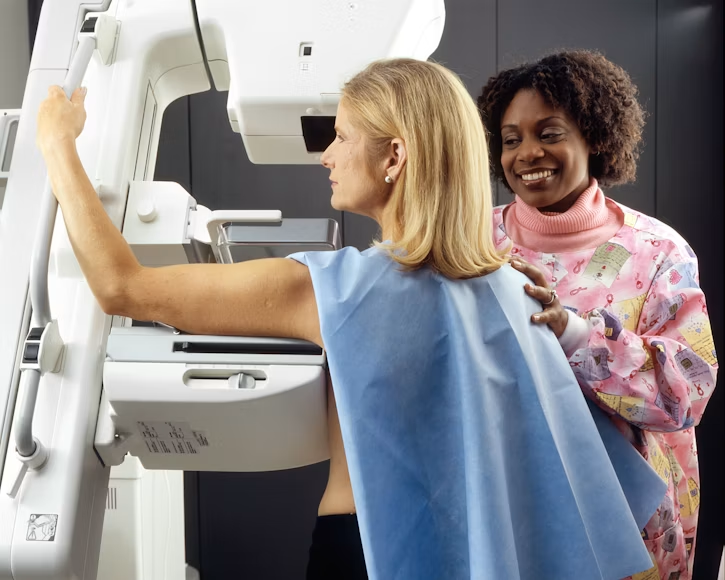
Career as a Radiographer
Introduction
A career as a radiographer is an exciting and rewarding choice for individuals who are passionate about healthcare, science, and technology. Radiographers are highly trained healthcare professionals who use advanced medical imaging equipment to produce detailed images of the inside of the human body. These images help doctors diagnose illnesses, identify injuries, monitor diseases, and plan effective treatments.
Radiographers play an essential role in modern healthcare because accurate medical imaging is often the first step in diagnosing a patient’s condition. Without radiographers, doctors would have far less information to make informed medical decisions. Whether working with X-rays, computed tomography (CT), magnetic resonance imaging (MRI), ultrasound, mammography, or nuclear medicine, radiographers contribute significantly to improving patient outcomes.
In South Africa, radiographers work in public hospitals, private hospitals, diagnostic imaging centres, specialised medical clinics, universities, research institutions, and mobile healthcare services. They work closely with radiologists, medical doctors, nurses, surgeons, oncologists, physiotherapists, and other healthcare professionals to provide high-quality patient care.
Advances in medical technology have transformed the field of radiography. Digital imaging systems, artificial intelligence-assisted image analysis, three-dimensional imaging, and minimally invasive imaging techniques have expanded the profession while improving diagnostic accuracy and patient safety.
Although becoming a radiographer requires several years of university education, practical clinical training, and professional registration, the profession offers excellent job security, competitive salaries, opportunities for specialisation, and the satisfaction of contributing directly to patient diagnosis and treatment.
If you enjoy science, anatomy, technology, problem-solving, and working with people, radiography could be an ideal career choice. This guide explains everything you need to know about becoming a radiographer in South Africa, including educational requirements, career pathways, essential skills, work environments, salary expectations, and future employment opportunities.
What Does a Radiographer Do?
A radiographer is a registered healthcare professional who performs diagnostic imaging procedures that help doctors identify injuries, diseases, and medical conditions. They operate specialised imaging equipment while ensuring patient safety, image quality, and compliance with radiation protection standards.
Radiographers are responsible for producing clear, accurate images that enable healthcare professionals to make informed clinical decisions.
Some of their daily responsibilities include:
- Preparing patients for imaging procedures
- Explaining examinations to patients
- Operating X-ray machines
- Performing CT scans
- Conducting MRI examinations
- Carrying out mammography procedures
- Assisting with fluoroscopy examinations
- Producing high-quality diagnostic images
- Positioning patients correctly
- Applying radiation safety measures
- Monitoring patients during procedures
- Maintaining imaging equipment
- Keeping accurate patient records
- Collaborating with radiologists and medical teams
Patient care is a major part of the profession. Radiographers ensure that patients understand each procedure, remain comfortable throughout the examination, and receive safe, professional care.
They also follow strict radiation protection guidelines to minimise exposure while maintaining excellent image quality.
Depending on their area of practice, radiographers may use various imaging technologies, including:
- Digital X-ray systems
- Computed Tomography (CT)
- Magnetic Resonance Imaging (MRI)
- Mammography equipment
- Fluoroscopy systems
- Mobile X-ray units
- Bone densitometry equipment
- Angiography systems
Modern radiographers combine technical expertise with compassionate patient care to support accurate diagnosis and treatment.
How to Become a Radiographer in South Africa
Becoming a radiographer requires academic dedication, practical clinical experience, and professional registration. The profession is regulated by the Health Professions Council of South Africa (HPCSA), which ensures that radiographers meet national standards before practising independently.
The journey begins during high school.
Learners interested in radiography should focus on achieving strong results in:
- Mathematics
- Physical Sciences
- Life Sciences
- English
These subjects provide the scientific foundation required for university-level healthcare studies.
After completing Grade 12, prospective students apply for a Bachelor of Radiography degree or another HPCSA-accredited qualification offered by recognised South African universities.
The programme generally takes four years to complete and combines classroom instruction with extensive practical and clinical training.
Students study subjects including:
- Human Anatomy
- Physiology
- Radiation Physics
- Medical Imaging Technology
- Radiation Protection
- Pathology
- Patient Care
- Imaging Procedures
- Digital Radiography
- CT Imaging
- MRI Principles
- Professional Ethics
Clinical placements form an essential part of the qualification. Students gain practical experience by performing imaging procedures under the supervision of qualified radiographers in hospitals and diagnostic imaging departments.
After completing the degree, graduates must meet the registration requirements of the Health Professions Council of South Africa before practising professionally.
Many radiographers later pursue postgraduate qualifications to specialise in advanced imaging modalities or management positions.
Educational Requirements for a Career as a Radiographer
Radiography is a science-based healthcare profession requiring strong academic preparation.
Prospective students must obtain a National Senior Certificate (NSC) or an equivalent qualification that satisfies university admission requirements.
Recommended high school subjects include:
- Mathematics
- Physical Sciences
- Life Sciences
- English Home Language or First Additional Language
Strong academic performance in these subjects significantly improves the likelihood of admission because radiography programmes are competitive.
The Bachelor of Radiography degree generally takes four years to complete.
The curriculum combines theoretical knowledge with extensive practical training.
Students typically study:
- Anatomy
- Physiology
- Radiation Physics
- Medical Imaging
- Digital Radiography
- Computed Tomography
- Magnetic Resonance Imaging
- Radiation Biology
- Radiation Protection
- Pathology
- Pharmacology
- Patient Care
- Professional Ethics
- Clinical Practice
Throughout the programme, students complete supervised clinical placements in public hospitals, private hospitals, and specialised diagnostic imaging departments.
These placements allow students to develop practical skills in patient positioning, equipment operation, image production, radiation safety, and professional communication.
Following graduation, radiographers must register with the Health Professions Council of South Africa before practising legally.
Many professionals later pursue postgraduate diplomas, master’s degrees, or specialist certifications to advance their careers.
Skills Every Successful Radiographer Needs
Successful radiographers combine technical expertise with strong interpersonal skills, attention to detail, and a commitment to patient safety. Producing accurate diagnostic images requires precision, professionalism, and effective communication.
Below are some of the most important skills every radiographer should develop.
Attention to Detail
Producing high-quality diagnostic images requires careful positioning, correct exposure settings, and strict adherence to imaging protocols.
Even small mistakes can affect image quality and require repeat examinations.
Technical Skills
Radiographers work with sophisticated medical imaging equipment.
They must understand how to safely operate:
- X-ray machines
- CT scanners
- MRI systems
- Fluoroscopy equipment
- Digital imaging software
- Picture Archiving and Communication Systems (PACS)
Keeping up with technological advancements is essential.
Communication Skills
Radiographers interact with patients from diverse backgrounds.
Strong communication skills enable them to:
- Explain imaging procedures
- Answer patient questions
- Reduce anxiety
- Give clear positioning instructions
- Work effectively with healthcare teams
Good communication improves patient cooperation and image quality.
Compassion and Empathy
Many patients feel anxious or uncomfortable before imaging procedures.
Compassionate radiographers:
- Reassure patients
- Demonstrate patience
- Respect patient dignity
- Provide emotional support
- Deliver professional care
Empathy contributes to a positive patient experience.
Problem-Solving Skills
Every patient presents unique challenges.
Radiographers must adapt imaging techniques for patients with:
- Limited mobility
- Trauma injuries
- Medical devices
- Chronic illnesses
- Children
- Older adults
Quick thinking helps maintain both patient safety and diagnostic quality.
Organisational Skills
Radiographers often manage busy imaging schedules while ensuring examinations are completed efficiently.
Strong organisational skills help with:
- Time management
- Patient flow
- Equipment preparation
- Record keeping
- Image documentation
Commitment to Patient Safety
Radiation protection is one of the most important responsibilities of a radiographer.
Successful professionals consistently follow safety procedures to minimise radiation exposure for patients, colleagues, and themselves.
Commitment to Lifelong Learning
Medical imaging technology continues to evolve rapidly.
Radiographers participate in Continuing Professional Development (CPD), attend workshops, complete specialist training, and pursue postgraduate education to remain current with modern imaging techniques and healthcare standards.
Radiography is an exciting healthcare profession that combines science, technology, and compassionate patient care. Radiographers play a critical role in diagnosing diseases, guiding treatment decisions, and supporting medical teams across South Africa. For individuals who enjoy working with advanced technology while helping people, radiography offers a respected, stable, and highly rewarding career with excellent opportunities for growth and specialisation.
Different Types of Radiographers and Their Specialties, A Day in the Life of a Radiographer, Where Radiographers Can Work in South Africa, How Long It Takes to Become a Radiographer, and Radiographer Salary Expectations in South Africa
Different Types of Radiographers and Their Specialties
Radiography is a diverse healthcare profession that offers several specialisation opportunities. After qualifying as a radiographer and gaining professional experience, many practitioners choose to specialise in specific imaging fields. These specialties require advanced knowledge, technical expertise, and additional training.
Below are some of the major radiography specialties available in South Africa.
Diagnostic Radiographer
Diagnostic radiographers perform imaging examinations that assist doctors in diagnosing diseases and injuries.
They commonly perform:
- General X-rays
- Chest X-rays
- Skeletal imaging
- Abdominal imaging
- Trauma imaging
- Mobile radiography
Diagnostic radiographers are employed in most hospitals and imaging departments and are often the first imaging professionals patients encounter.
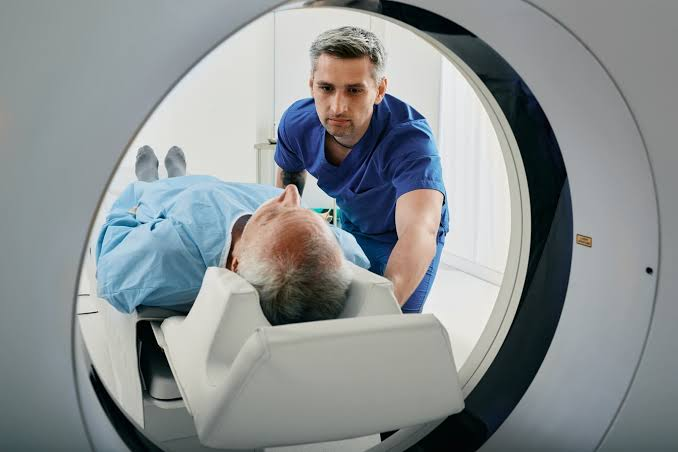
Computed Tomography (CT) Radiographer
CT radiographers specialise in producing detailed cross-sectional images of the body using computed tomography scanners.
They assist in diagnosing:
- Brain injuries
- Internal bleeding
- Cancers
- Lung diseases
- Bone fractures
- Heart conditions
CT imaging plays an essential role in emergency medicine and specialised diagnostics.
Magnetic Resonance Imaging (MRI) Radiographer
MRI radiographers use powerful magnetic fields and radio waves to create detailed images of soft tissues and internal organs.
MRI examinations are commonly performed for:
- Brain disorders
- Spinal conditions
- Joint injuries
- Muscle injuries
- Ligament damage
- Tumour detection
MRI does not use ionising radiation, making it suitable for many diagnostic investigations.
Mammography Radiographer
Mammography radiographers specialise in breast imaging for the early detection and diagnosis of breast diseases, including breast cancer.
Their work includes:
- Screening mammograms
- Diagnostic mammograms
- Patient education
- Quality assurance
- Breast imaging support
Early detection significantly improves treatment outcomes.
Nuclear Medicine Radiographer
Professionals working in nuclear medicine use small amounts of radioactive materials to assess organ function and diagnose diseases.
Common procedures include imaging of:
- Bones
- Heart
- Kidneys
- Thyroid gland
- Lungs
Nuclear medicine combines imaging with functional assessment to support accurate diagnosis.
Radiation Therapist
Radiation therapists are radiographers who specialise in treating cancer using carefully planned radiation therapy.
Their responsibilities include:
- Preparing treatment plans
- Positioning patients
- Operating radiotherapy equipment
- Monitoring treatment sessions
- Supporting cancer patients throughout treatment
They work closely with oncologists and medical physicists.
Interventional Radiographer
Interventional radiographers assist radiologists during minimally invasive procedures guided by medical imaging.
These procedures may include:
- Angiography
- Vascular procedures
- Image-guided biopsies
- Drainage procedures
- Catheter insertions
This specialty combines imaging with advanced patient care.
Sonographer
Although additional training is generally required, some radiographers specialise in diagnostic ultrasound.
Sonographers perform imaging examinations involving:
- Pregnancy monitoring
- Abdominal organs
- Blood vessels
- Muscles
- Soft tissues
- Heart function in specialised settings
Ultrasound imaging is widely used because it is safe, non-invasive, and does not involve ionising radiation.
A Day in the Life of a Radiographer
Every working day as a radiographer involves providing high-quality diagnostic imaging while ensuring patient safety and comfort.
A typical day often begins by preparing imaging equipment and reviewing scheduled examinations.
Radiographers check:
- Equipment performance
- Imaging systems
- Safety procedures
- Patient requests
- Examination protocols
Before each procedure, they verify patient identity, review medical information, and explain the examination.
Throughout the day, radiographers perform a wide variety of imaging procedures including:
- X-rays
- CT scans
- MRI examinations
- Mammography
- Mobile imaging
- Fluoroscopy support
Correct patient positioning is essential for producing clear diagnostic images.
Radiographers carefully adjust equipment settings according to:
- Patient size
- Examination type
- Clinical indication
- Radiation safety requirements
During examinations they monitor patients, provide reassurance, and maintain infection prevention procedures.
After imaging is completed, radiographers:
- Review image quality
- Upload images to hospital systems
- Document examinations
- Prepare patients for discharge or further investigations
They also collaborate closely with:
- Radiologists
- Medical doctors
- Nurses
- Emergency department staff
- Surgeons
- Oncologists
Administrative responsibilities include maintaining patient records, scheduling examinations, and ensuring imaging equipment remains clean and operational.
Every day requires professionalism, technical precision, excellent communication, and compassion.
Where Radiographers Can Work in South Africa
Qualified radiographers enjoy diverse employment opportunities across both the public and private healthcare sectors.
Public Hospitals
Government hospitals employ radiographers in emergency departments, trauma units, outpatient departments, surgical services, and specialised medical units.
Public healthcare provides valuable experience across a broad range of medical conditions.
Private Hospitals
Private hospitals employ radiographers to perform advanced diagnostic imaging using modern medical equipment.
They work closely with specialist doctors while delivering high-quality patient care.
Diagnostic Imaging Centres
Independent imaging centres provide services including:
- General X-rays
- CT scans
- MRI scans
- Mammography
- Ultrasound
- Bone density scanning
Many radiographers choose careers within these specialised facilities.
Oncology Centres
Radiation therapists work in cancer treatment centres where they deliver radiation therapy to patients undergoing cancer treatment.
These facilities often use highly advanced imaging and treatment technologies.
Universities
Experienced radiographers with postgraduate qualifications may become:
- University lecturers
- Clinical educators
- Researchers
They contribute to educating future radiographers while advancing medical imaging research.
Research Institutions
Research radiographers assist with developing:
- New imaging technologies
- Artificial intelligence applications
- Radiation safety practices
- Clinical imaging techniques
Research supports innovation throughout the healthcare sector.
Mobile Imaging Services
Some healthcare providers operate mobile imaging units that deliver radiography services to remote communities, rural hospitals, industrial sites, and specialised outreach programmes.
Equipment Manufacturers
Medical imaging companies employ experienced radiographers as:
- Clinical application specialists
- Product trainers
- Technical consultants
- Sales specialists
These careers combine clinical expertise with technology and education.
How Long Does It Take to Become a Radiographer?
Becoming a radiographer requires several years of academic study and supervised clinical training.
The process generally includes the following stages.
Complete Grade 12
Students first obtain a National Senior Certificate with strong results in:
- Mathematics
- Physical Sciences
- Life Sciences
- English
Strong academic performance improves university admission opportunities.
Complete a Bachelor of Radiography Degree
Students enrol in an accredited Bachelor of Radiography programme.
The qualification generally takes four years and combines theoretical education with extensive clinical practice.
Clinical Placements
Throughout the programme, students complete supervised clinical rotations in hospitals and diagnostic imaging departments.
Clinical training allows students to develop practical skills in:
- Patient positioning
- Equipment operation
- Radiation safety
- Image production
- Patient communication
Professional Registration
Graduates must register with the Health Professions Council of South Africa (HPCSA) before practising independently.
Registration confirms that practitioners meet national professional standards.
Specialist Training
Many radiographers later pursue postgraduate education in specialised fields such as:
- CT Imaging
- MRI
- Mammography
- Radiation Therapy
- Nuclear Medicine
- Ultrasound
These additional qualifications support career advancement and expanded employment opportunities.
Overall, becoming a qualified radiographer generally takes four years after Grade 12, while specialist qualifications require additional study.
Radiographer Salary Expectations in South Africa
Radiography is a respected healthcare profession offering competitive salaries and excellent long-term earning potential. Income depends on qualifications, experience, employer, geographical location, and area of specialisation.
Entry-Level Radiographers
Newly qualified radiographers typically begin their careers in:
- Public hospitals
- Private hospitals
- Imaging centres
Graduate positions provide competitive salaries while professionals gain valuable practical experience.
Experienced Radiographers
As radiographers gain experience, they often progress into positions such as:
- Senior Radiographer
- Imaging Department Supervisor
- Clinical Coordinator
- Radiography Manager
These positions usually offer increased responsibilities and higher salaries.
Specialist Radiographers
Radiographers who specialise in advanced imaging modalities often earn higher incomes.
Examples include specialists in:
- MRI
- CT
- Mammography
- Radiation Therapy
- Nuclear Medicine
- Interventional Radiography
Specialised expertise is highly valued by employers.
Private Sector Opportunities
Private hospitals and diagnostic imaging centres often provide attractive employment packages, particularly for experienced radiographers with specialist skills.
Additional opportunities exist in equipment training, healthcare consulting, and clinical applications.
Factors That Influence Salary
Radiographer salaries are influenced by several factors, including:
- Years of experience
- Professional qualifications
- Specialist certifications
- Employer
- Province
- Public or private sector employment
- Leadership responsibilities
- Continuing Professional Development (CPD)
Radiographers who continually expand their knowledge and technical expertise generally enjoy greater earning potential and career progression.
Radiography offers diverse career opportunities across diagnostic imaging, cancer treatment, education, research, and healthcare technology. With growing demand for medical imaging services, rapid technological advancements, and increasing opportunities for specialisation, radiography remains one of South Africa’s most exciting and rewarding healthcare careers. Professionals who combine technical excellence, compassion, and lifelong learning can build stable, fulfilling careers while making an important contribution to patient diagnosis and treatment.
Advantages and Challenges of Being a Radiographer, Why This Job Is Worth Applying For, Skills That Increase Your Chances, and Career Growth Opportunities
Advantages and Challenges of Being a Radiographer
A career as a radiographer offers the opportunity to work at the forefront of modern healthcare while making a meaningful difference in patients’ lives. Radiographers play a vital role in diagnosing diseases, identifying injuries, planning treatments, and monitoring recovery. Their expertise helps doctors make informed medical decisions that can improve or even save lives.
Like every healthcare profession, radiography has many rewards as well as challenges. Understanding both aspects can help prospective students determine whether this profession aligns with their interests, strengths, and career goals.
Advantages of Being a Radiographer
Making a Difference in Patient Care
One of the greatest rewards of being a radiographer is contributing directly to patient diagnosis and treatment.
Every day, radiographers help doctors detect conditions such as:
- Bone fractures
- Pneumonia
- Cancer
- Heart disease
- Brain injuries
- Internal bleeding
- Joint disorders
Accurate medical images are essential for ensuring patients receive the correct treatment as quickly as possible.
High Demand for Qualified Professionals
Medical imaging is an essential component of modern healthcare.
Qualified radiographers remain in demand across South Africa due to:
- Population growth
- Increased access to healthcare
- Ageing populations
- Rising rates of chronic diseases
- Advances in medical technology
Employment opportunities continue to expand in both the public and private healthcare sectors.
Competitive Salary
Radiography offers competitive salaries and attractive long-term earning potential.
As radiographers gain experience or specialise in advanced imaging modalities such as MRI, CT, mammography, or radiation therapy, their earning potential generally increases.
Diverse Career Opportunities
Radiographers can pursue careers in many healthcare settings.
These include:
- Public hospitals
- Private hospitals
- Diagnostic imaging centres
- Oncology units
- Universities
- Research institutions
- Equipment manufacturers
- Mobile healthcare services
This diversity allows professionals to explore different career paths throughout their working lives.
Working With Advanced Technology
Radiographers operate some of the most sophisticated medical equipment available.
Examples include:
- Digital X-ray systems
- CT scanners
- MRI machines
- Fluoroscopy equipment
- Mammography systems
- Artificial intelligence-assisted imaging software
For individuals who enjoy technology, radiography offers an exciting and continually evolving work environment.
Professional Respect
Radiographers are highly respected healthcare professionals.
Their technical expertise and clinical knowledge are essential for supporting accurate diagnosis, treatment planning, and patient care.
Challenges of Being a Radiographer
Although radiography is a rewarding profession, it also presents several challenges.
Working Under Pressure
Busy imaging departments often require radiographers to perform numerous examinations throughout the day.
Emergency cases may require immediate attention, making effective time management essential.
Radiation Safety Responsibilities
Radiographers must consistently follow strict radiation protection protocols.
Although modern imaging equipment is designed to minimise exposure, maintaining patient and staff safety remains a major professional responsibility.
Physically Demanding Work
Radiographers spend much of the day standing, walking, and assisting patients.
Some patients require help moving onto imaging tables or maintaining specific positions during examinations.
Good physical fitness and safe lifting techniques are important.
Emotionally Challenging Situations
Radiographers often work with seriously ill or injured patients.
Examples include:
- Trauma victims
- Cancer patients
- Critically ill individuals
- Children requiring imaging
- Elderly patients
Remaining calm, compassionate, and professional during emotionally difficult situations is an important part of the job.
Continuous Learning
Medical imaging technology develops rapidly.
Radiographers must continually update their knowledge through Continuing Professional Development (CPD), specialist training, workshops, and postgraduate education.
Why This Job Is Worth Applying For
Radiography is an excellent career choice for individuals who enjoy combining healthcare with science and technology.
One of the profession’s greatest strengths is the opportunity to contribute directly to patient care. Every image produced by a radiographer helps doctors make accurate diagnoses and develop effective treatment plans.
Radiography also offers excellent employment stability.
Medical imaging services are required in almost every hospital and many healthcare facilities, ensuring strong demand for qualified professionals.
Another advantage is career diversity.
Radiographers can work in:
- Diagnostic imaging
- Cancer treatment
- Emergency medicine
- Research
- Education
- Equipment training
- Healthcare management
- Private practice in certain specialised fields
This flexibility allows professionals to pursue careers that match their interests and strengths.
The profession also encourages lifelong learning.
Radiographers may specialise in:
- MRI
- CT
- Mammography
- Radiation Therapy
- Nuclear Medicine
- Interventional Imaging
Each specialty offers unique challenges and opportunities for career progression.
Most importantly, radiography provides meaningful work.
Helping doctors diagnose illnesses early, assisting with life-saving treatments, and supporting patients during difficult times make this profession personally rewarding and professionally fulfilling.
Skills That Increase Your Chances
Completing a radiography degree provides the technical knowledge required for the profession, but additional skills can greatly improve employability and career progression.
Healthcare employers value radiographers who demonstrate professionalism, adaptability, leadership, and excellent interpersonal skills.
Computer Literacy
Modern radiography relies heavily on digital technology.
Radiographers regularly use:
- Electronic medical records
- Digital imaging software
- PACS (Picture Archiving and Communication Systems)
- Radiology Information Systems (RIS)
- Hospital information systems
Strong computer skills improve efficiency and patient care.
Teamwork
Radiographers work closely with:
- Radiologists
- Medical doctors
- Nurses
- Surgeons
- Oncologists
- Emergency care staff
- Medical physicists
Working effectively within multidisciplinary healthcare teams contributes to better patient outcomes.
Communication Skills
Excellent communication enables radiographers to:
- Explain imaging procedures
- Reduce patient anxiety
- Give positioning instructions
- Educate patients
- Communicate with healthcare professionals
Strong communication improves patient cooperation and examination quality.
Attention to Detail
Producing accurate diagnostic images requires careful attention to positioning, exposure settings, patient identification, and safety procedures.
Attention to detail reduces errors and minimises repeat examinations.
Adaptability
Healthcare environments are dynamic.
Radiographers frequently work with:
- Trauma patients
- Children
- Elderly patients
- Intensive care patients
- Patients with disabilities
Being flexible and adapting imaging techniques to each situation is essential.
Leadership Skills
Experienced radiographers often supervise:
- Junior radiographers
- Students
- Imaging assistants
- Department staff
Leadership abilities become increasingly valuable when progressing into management positions.
Commitment to Continuous Learning
Healthcare employers value radiographers who actively pursue professional development.
Completing CPD activities, attending workshops, obtaining specialist certifications, and undertaking postgraduate study demonstrate commitment to excellence.
Career Growth Opportunities
Radiography offers excellent opportunities for professional advancement throughout a person’s career.
With experience, specialist training, and postgraduate education, radiographers can progress into advanced clinical, academic, management, and research positions.
Specialist Imaging
Radiographers may specialise in:
- Computed Tomography (CT)
- Magnetic Resonance Imaging (MRI)
- Mammography
- Nuclear Medicine
- Radiation Therapy
- Interventional Radiography
Specialists often manage complex imaging procedures and work alongside highly specialised healthcare teams.
Imaging Department Management
Experienced radiographers may become:
- Chief Radiographer
- Imaging Department Manager
- Clinical Coordinator
- Operations Manager
- Quality Assurance Manager
These roles involve staff supervision, strategic planning, budgeting, quality improvement, and departmental leadership.
Academic Careers
Radiographers with postgraduate qualifications may pursue careers as:
- University Lecturers
- Clinical Educators
- Research Supervisors
- Curriculum Developers
Teaching future radiographers contributes to the advancement of healthcare education.
Research Opportunities
Research radiographers contribute to the development of:
- Advanced imaging technologies
- Artificial intelligence applications
- Radiation safety improvements
- Diagnostic imaging techniques
- Clinical imaging protocols
Research helps improve healthcare outcomes and patient safety.
Equipment Manufacturers
Medical technology companies employ experienced radiographers as:
- Clinical Application Specialists
- Technical Trainers
- Product Consultants
- Sales Specialists
These careers combine healthcare expertise with technology and education.
International Employment
South African radiographers are recognised in many countries.
After meeting international registration requirements, qualified professionals may pursue employment opportunities abroad, gaining valuable experience while expanding their career prospects.
Radiography offers outstanding opportunities for career growth, professional development, and financial stability. Whether specialising in advanced imaging, leading diagnostic departments, educating future professionals, or contributing to medical research, radiographers enjoy diverse and rewarding career pathways. With rapid technological advancements and increasing demand for diagnostic imaging services, radiography remains one of South Africa’s most promising healthcare professions.
Interview Preparation Tips, Similar Jobs Available, Industry Salary Expectations, Future Demand for Radiographers in South Africa, and Final Thoughts
Interview Preparation Tips
Completing your Bachelor of Radiography degree and registering with the Health Professions Council of South Africa (HPCSA) are significant achievements. The next step is securing employment in a public hospital, private hospital, diagnostic imaging centre, oncology unit, or another healthcare facility. A well-prepared interview can set you apart from other candidates and demonstrate that you are ready to provide safe, professional, and patient-centred imaging services.
Employers look for radiographers who combine technical expertise with excellent communication skills, professionalism, attention to detail, and a strong commitment to patient safety.
Research the Employer
Before attending your interview, take time to learn about the organisation.
Research topics such as:
- The history of the hospital or imaging centre
- Imaging services offered
- Medical specialties supported
- Mission and values
- Recent developments or achievements
- Community healthcare initiatives
- Professional development opportunities
Showing that you understand the organisation demonstrates genuine interest and initiative.
Revise Your Clinical Knowledge
Interviewers often assess your understanding of radiography principles and clinical practice.
Review important topics such as:
- Human anatomy
- Radiation physics
- Radiation protection
- Patient positioning
- Image quality
- Infection prevention and control
- Digital imaging systems
- CT and MRI principles
- Professional ethics
- Patient confidentiality
Be prepared to explain how you would ensure patient safety while producing high-quality diagnostic images.
Prepare for Common Interview Questions
Practice answering questions such as:
- Why did you choose radiography as a career?
- How do you reassure an anxious patient before an imaging procedure?
- Describe a challenging clinical experience during your practical training.
- How do you prioritise patients during a busy shift?
- What would you do if image quality was not acceptable?
- How do you work within a multidisciplinary healthcare team?
- Why do you want to work for our organisation?
- Where do you see yourself in five years?
Use examples from your clinical placements to demonstrate your practical experience and problem-solving abilities.
Demonstrate Professionalism
Professional behaviour creates a positive first impression.
On the day of your interview:
- Arrive on time.
- Dress professionally.
- Maintain eye contact.
- Listen carefully to each question.
- Answer confidently and honestly.
- Demonstrate respect and courtesy.
- Show enthusiasm for patient care and professional development.
Professional conduct reflects the standards expected of registered radiographers.
Ask Thoughtful Questions
At the end of the interview, ask questions that show your interest in the role and your desire to grow professionally.
Examples include:
- What opportunities are available for Continuing Professional Development (CPD)?
- Does the department support postgraduate study or specialist training?
- What imaging technologies are available in the department?
- Is there a mentorship programme for newly employed radiographers?
- What qualities do your most successful radiographers possess?
These questions demonstrate commitment to learning and long-term career development.
Similar Jobs Available
If you are interested in radiography, you may also enjoy other healthcare careers that involve medical technology, patient care, or diagnostic services.
Examples include:
- Sonographer
- Nuclear Medicine Technologist
- Radiation Therapist
- Medical Doctor
- Registered Nurse
- Physiotherapist
- Occupational Therapist
- Medical Laboratory Scientist
- Clinical Associate
- Emergency Care Practitioner
- Biomedical Engineer
- Biomedical Scientist
- Dental Radiographer
- Optometrist
- Audiologist
- Respiratory Therapist
- Orthotist and Prosthetist
- Pharmacist
- Cardiovascular Technologist
- Surgical Technologist
Each of these careers contributes to improving patient care while offering opportunities for specialisation and professional growth.
Industry Salary Expectations
Radiography is a respected healthcare profession that offers competitive salaries and excellent long-term earning potential. Income varies according to qualifications, experience, employer, province, and area of specialisation.
Entry-Level Radiographers
Newly qualified radiographers generally begin their careers in:
- Public hospitals
- Private hospitals
- Diagnostic imaging centres
- Community healthcare facilities
These positions provide valuable practical experience while offering competitive starting salaries.
Experienced Radiographers
As radiographers gain experience, they often progress into senior positions such as:
- Senior Radiographer
- Clinical Supervisor
- Imaging Department Coordinator
- Radiography Manager
These roles typically offer higher salaries and increased responsibilities.
Specialist Radiographers
Radiographers who complete specialist training often earn higher incomes.
Specialists may work in:
- Computed Tomography (CT)
- Magnetic Resonance Imaging (MRI)
- Mammography
- Nuclear Medicine
- Radiation Therapy
- Interventional Radiography
Advanced expertise is highly valued by employers and often leads to improved career opportunities.
Private Sector Opportunities
Private hospitals and diagnostic imaging centres frequently offer attractive salary packages, particularly for experienced professionals with specialist skills.
Some radiographers also pursue careers with medical equipment manufacturers, healthcare consulting firms, or education providers.
Factors That Influence Salary
Several factors affect radiographer earnings, including:
- Professional qualifications
- Years of experience
- Specialist certifications
- Province
- Public or private sector employment
- Leadership responsibilities
- Continuing Professional Development (CPD)
- Employer size and type
Radiographers who continue developing their knowledge and technical skills generally improve their earning potential over time.
Employment Benefits
Many employers provide benefits in addition to salary, including:
- Medical aid contributions
- Pension or retirement fund contributions
- Paid annual leave
- Overtime compensation where applicable
- Study assistance
- CPD funding
- Performance incentives
These benefits enhance overall financial security and career satisfaction.
Future Demand for Radiographers in South Africa
The demand for radiographers is expected to remain strong as healthcare services continue to expand and medical imaging technology advances.
Population Growth
South Africa’s growing population increases the demand for diagnostic imaging services across hospitals, clinics, and specialised healthcare facilities.
Ageing Population
Older adults often require imaging for conditions such as:
- Arthritis
- Osteoporosis
- Heart disease
- Cancer
- Joint disorders
As the population ages, demand for radiography services continues to increase.
Advances in Medical Technology
Rapid developments in imaging technology continue to expand the profession.
Examples include:
- Artificial intelligence-assisted image analysis
- Three-dimensional imaging
- Digital radiography
- Advanced MRI systems
- Low-dose CT technology
- Portable imaging equipment
Radiographers who remain up to date with emerging technologies will be well positioned for future opportunities.
Growth in Cancer Care
Increasing access to oncology services has expanded demand for radiation therapists and diagnostic imaging professionals involved in cancer diagnosis and treatment.
Expansion of Private Healthcare
The continued growth of private hospitals and diagnostic imaging centres has created additional employment opportunities for qualified radiographers throughout South Africa.
Community and Rural Healthcare
Government initiatives aimed at improving healthcare access in underserved areas have increased the need for radiographers in rural hospitals, district hospitals, and mobile imaging services.
These roles help ensure that more South Africans have access to essential diagnostic services.
International Opportunities
South African radiographers are recognised in many countries.
After meeting international registration and licensing requirements, qualified radiographers may pursue careers abroad, gaining valuable experience while expanding their professional opportunities.
Final Thoughts
A career as a radiographer combines healthcare, science, technology, and compassionate patient care into one of the most essential professions within modern medicine. Every day, radiographers help doctors diagnose diseases, detect injuries, monitor treatment progress, and improve patient outcomes through accurate medical imaging.
The profession offers excellent job security, competitive salaries, diverse employment opportunities, and numerous pathways for specialisation. Whether working in diagnostic imaging, computed tomography, magnetic resonance imaging, radiation therapy, mammography, research, education, or healthcare technology, radiographers play a vital role in improving healthcare services across South Africa.
Success in radiography requires technical competence, attention to detail, excellent communication, professionalism, and a commitment to lifelong learning. As medical imaging technology continues to evolve, radiographers who embrace innovation and maintain high professional standards will continue to enjoy strong career prospects.
If you enjoy science, technology, problem-solving, and helping others, radiography offers a rewarding and respected career with opportunities to make a meaningful difference in people’s lives every day. With increasing demand for diagnostic imaging services both in South Africa and internationally, qualified radiographers can look forward to a stable, fulfilling, and future-focused profession.