Derick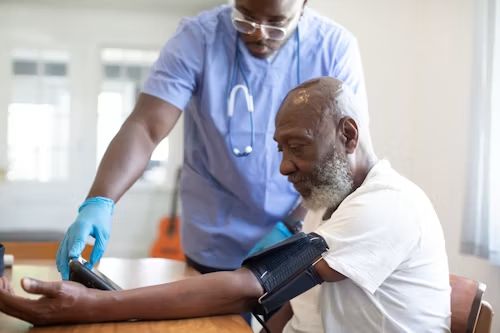
Career as a Community Health Worker
Introduction
A career as a Community Health Worker (CHW) is one of the most meaningful and community-focused professions within the healthcare sector. Community Health Workers serve as a vital link between healthcare facilities and the communities they serve. They help individuals and families access healthcare services, promote healthy lifestyles, provide basic health education, support disease prevention programmes, and encourage people to seek medical care when needed.
In South Africa, Community Health Workers play an essential role in strengthening primary healthcare. They work closely with clinics, hospitals, non-governmental organisations (NGOs), local communities, and government health programmes to improve access to healthcare, especially in underserved rural and urban areas. Their work contributes significantly to reducing the burden of disease, improving maternal and child health, supporting people living with chronic illnesses, and promoting overall community well-being.
Unlike doctors or nurses who mainly work within healthcare facilities, Community Health Workers spend much of their time engaging directly with households and communities. They conduct home visits, educate families about disease prevention, monitor patients with chronic conditions, encourage immunisation, provide health promotion activities, identify individuals who require medical attention, and assist with referrals to healthcare facilities.
As South Africa continues to strengthen its primary healthcare system and expand community-based healthcare services, the demand for trained Community Health Workers continues to grow. Population growth, increasing rates of chronic diseases, ageing communities, and public health programmes all contribute to the importance of this profession.
Although becoming a Community Health Worker generally requires less formal education than many other healthcare professions, it still requires dedication, compassion, good communication skills, appropriate training, and a genuine passion for helping others. The profession offers stable employment opportunities, valuable work experience, opportunities for further study, and the satisfaction of making a lasting difference in people’s lives.
If you enjoy working with people, solving community health challenges, educating others, and improving public health, becoming a Community Health Worker may be the ideal career choice. This guide explains everything you need to know about becoming a Community Health Worker in South Africa, including educational requirements, essential skills, career opportunities, salary expectations, and future employment prospects.
What Does a Community Health Worker Do?
A Community Health Worker is a frontline healthcare professional who supports individuals, families, and communities by promoting health, preventing disease, and improving access to healthcare services.
Rather than providing advanced medical treatment, Community Health Workers focus on education, prevention, early identification of health problems, and connecting community members with appropriate healthcare providers.
Some of their daily responsibilities include:
- Conducting household visits
- Promoting healthy lifestyles
- Educating communities about disease prevention
- Monitoring patients with chronic illnesses
- Supporting tuberculosis (TB) treatment programmes
- Assisting HIV prevention and treatment programmes
- Encouraging childhood immunisation
- Supporting maternal and child healthcare
- Identifying vulnerable households
- Referring patients to clinics and hospitals
- Providing health education sessions
- Recording community health information
- Following up on patient referrals
- Supporting nutrition programmes
- Participating in community health campaigns
Community Health Workers also assist healthcare facilities by helping improve treatment adherence for patients with chronic illnesses such as:
- Diabetes
- Hypertension
- HIV
- Tuberculosis
- Asthma
They provide encouragement, monitor progress, and educate patients about managing their conditions.
In many communities, Community Health Workers become trusted sources of health information and provide valuable support that improves public health outcomes.
How to Become a Community Health Worker in South Africa
Becoming a Community Health Worker requires appropriate training, practical experience, and a commitment to serving communities.
The journey usually begins during high school.
Although requirements vary between employers and training providers, most organisations require applicants to have completed Grade 12 or an equivalent qualification. Some programmes may also consider applicants with lower qualifications together with relevant community experience.
Useful high school subjects include:
- Life Sciences
- Life Orientation
- English
- Mathematics or Mathematical Literacy
Strong communication and interpersonal skills are equally important.
Prospective Community Health Workers usually complete accredited Community Health Worker training programmes offered by government departments, Technical and Vocational Education and Training (TVET) colleges, healthcare organisations, or recognised training providers.
Training commonly covers topics such as:
- Primary healthcare
- Health promotion
- Disease prevention
- Community-based care
- HIV and TB management
- Maternal and child health
- Nutrition
- Infection prevention
- Basic first aid
- Communication skills
- Record keeping
- Professional ethics
Many programmes include supervised practical experience within clinics or community healthcare settings.
Following training, Community Health Workers may be employed by:
- Provincial Departments of Health
- Municipal health services
- Non-governmental organisations (NGOs)
- Community-based organisations
- Public health programmes
- Private healthcare providers
Some Community Health Workers later continue their education and progress into nursing, environmental health, public health, or other healthcare professions.
Educational Requirements for a Career as a Community Health Worker
Community Health Work is an accessible healthcare profession that provides opportunities for individuals who wish to make a positive contribution to public health.
Most employers require applicants to have completed a National Senior Certificate (NSC) or an equivalent qualification.
Recommended school subjects include:
- Life Sciences
- English
- Life Orientation
- Mathematics or Mathematical Literacy
While excellent academic marks are beneficial, employers often place equal importance on communication skills, compassion, community involvement, and willingness to learn.
Following Grade 12, prospective Community Health Workers usually complete an accredited Community Health Worker training programme.
Training generally combines classroom instruction with supervised practical experience.
Students commonly study:
- Community Health
- Primary Healthcare
- Health Promotion
- Nutrition
- HIV and AIDS
- Tuberculosis Management
- Maternal and Child Health
- Chronic Disease Support
- Infection Prevention
- First Aid
- Communication Skills
- Professional Ethics
- Record Keeping
Practical training allows students to gain experience through:
- Community clinics
- Healthcare centres
- Home visits
- Public health campaigns
- Outreach programmes
Continuing Professional Development (CPD), short courses, and additional healthcare training help Community Health Workers improve their knowledge and expand their career opportunities.
Skills Every Successful Community Health Worker Needs
Community Health Workers combine healthcare knowledge with compassion, communication, patience, and cultural understanding. Their success depends on building trusting relationships with community members while promoting healthier lifestyles and improving access to healthcare.
Below are some of the most important skills every successful Community Health Worker should develop.
Communication Skills
Community Health Workers spend much of their time communicating with individuals, families, healthcare professionals, and community leaders.
Strong communication skills enable them to:
- Explain health information clearly
- Educate communities
- Encourage healthy behaviours
- Conduct interviews
- Build trust
- Provide emotional support
Good communication improves healthcare outcomes and strengthens community relationships.
Compassion and Empathy
Many individuals receiving community healthcare support face financial hardship, chronic illness, disability, or social challenges.
Successful Community Health Workers:
- Listen carefully
- Show patience
- Respect confidentiality
- Treat everyone with dignity
- Offer encouragement without judgement
Compassion helps establish long-term trust within communities.
Cultural Awareness
South Africa is home to diverse cultures, languages, and traditions.
Community Health Workers must respect cultural beliefs while providing accurate healthcare information that is appropriate for each community.
Problem-Solving Skills
Every household presents different healthcare challenges.
Community Health Workers identify barriers to healthcare access and help families find practical solutions through education, referrals, and community resources.
Organisational Skills
Community Health Workers manage:
- Household visits
- Patient follow-ups
- Health education sessions
- Community campaigns
- Patient records
- Referral documentation
Good organisational skills improve efficiency and service delivery.
Teamwork
Community Health Workers collaborate closely with:
- Nurses
- Doctors
- Social workers
- Dietitians
- Environmental Health Practitioners
- Clinic managers
- Public health officials
Strong teamwork improves continuity of patient care.
Observation Skills
Community Health Workers often identify early warning signs of illness during home visits.
Careful observation helps detect changes in patients’ health that require referral to healthcare facilities.
Commitment to Lifelong Learning
Healthcare continually evolves through new research, treatment guidelines, and public health policies.
Successful Community Health Workers participate in workshops, refresher courses, and ongoing training to improve their knowledge and better serve their communities.
Community Health Work is a rewarding profession that places people and communities at the centre of healthcare. By promoting healthy lifestyles, preventing disease, supporting vulnerable individuals, and improving access to medical services, Community Health Workers make a lasting contribution to South Africa’s healthcare system. For individuals who enjoy working closely with people, solving community health challenges, and making a positive social impact, this career offers meaningful work, opportunities for growth, and the satisfaction of improving lives every day.
Different Types of Community Health Workers and Their Specialties, A Day in the Life of a Community Health Worker, Where Community Health Workers Can Work in South Africa, How Long It Takes to Become a Community Health Worker, and Community Health Worker Salary Expectations in South Africa
Different Types of Community Health Workers and Their Specialties
Community Health Workers (CHWs) perform a wide range of healthcare support services depending on the needs of the communities they serve. While all Community Health Workers focus on promoting health and preventing disease, many develop specialised knowledge in specific healthcare programmes. These specialisations allow them to provide targeted support to individuals, families, and communities while working alongside healthcare professionals.
Below are some of the common areas of specialisation available to Community Health Workers in South Africa.
Primary Healthcare Community Health Worker
Primary Healthcare Community Health Workers support clinics and healthcare centres by promoting preventive healthcare and improving access to medical services.
Their responsibilities include:
- Conducting household visits
- Health promotion
- Identifying patients needing medical attention
- Following up on referrals
- Supporting clinic outreach programmes
- Providing basic health education
These professionals help strengthen South Africa’s primary healthcare system.
HIV and AIDS Community Health Worker
Some Community Health Workers focus specifically on HIV prevention, treatment, and support.
Their duties include:
- HIV education
- Promoting HIV testing
- Supporting treatment adherence
- Conducting patient follow-ups
- Reducing stigma
- Community awareness campaigns
They play a key role in improving treatment outcomes and reducing HIV transmission.
Tuberculosis (TB) Community Health Worker
TB-focused Community Health Workers assist with tuberculosis prevention and treatment programmes.
Responsibilities include:
- Supporting medication adherence
- Monitoring treatment progress
- Conducting home visits
- Educating families
- Identifying symptoms
- Referring suspected TB cases
Their work contributes to reducing the spread of tuberculosis within communities.
Maternal and Child Health Worker
These Community Health Workers focus on improving the health of mothers, babies, and young children.
Typical responsibilities include:
- Supporting pregnant women
- Promoting antenatal care
- Encouraging childhood immunisations
- Monitoring child growth
- Promoting breastfeeding
- Educating parents about child health
Their work improves maternal and child health outcomes.
Chronic Disease Support Worker
Community Health Workers in this specialty assist patients living with long-term medical conditions.
Examples include:
- Diabetes
- Hypertension
- Asthma
- Heart disease
Their responsibilities include patient education, medication adherence support, lifestyle counselling, and regular follow-up visits.
Nutrition Community Health Worker
Nutrition-focused Community Health Workers educate families about healthy eating and proper nutrition.
Their work may include:
- Nutritional assessments
- Food security education
- Child nutrition monitoring
- Healthy meal planning
- Community nutrition campaigns
Good nutrition supports disease prevention and overall health.
School Health Community Health Worker
Some Community Health Workers support healthcare programmes within schools.
Responsibilities include:
- Health education
- Vision screening support
- Hearing screening support
- Hygiene promotion
- Immunisation campaigns
- Referral of learners requiring medical attention
School health programmes help identify health problems early.
Community Outreach Worker
Community outreach workers organise healthcare campaigns and community awareness programmes.
Examples include:
- Vaccination campaigns
- Health screening events
- Disease prevention campaigns
- Wellness programmes
- Public health education
These professionals encourage greater community participation in healthcare services.
A Day in the Life of a Community Health Worker
Every working day as a Community Health Worker involves supporting individuals and families while promoting healthier communities.
The day often begins with planning household visits and reviewing patient follow-up schedules.
Community Health Workers may prepare:
- Educational materials
- Patient records
- Referral forms
- Health promotion resources
Most of the working day is spent visiting homes within assigned communities.
During home visits they may:
- Assess household health needs
- Provide health education
- Monitor chronic disease patients
- Encourage medication adherence
- Promote healthy lifestyles
- Identify vulnerable individuals
Community Health Workers also encourage patients to attend clinics for:
- Medical check-ups
- Immunisations
- Antenatal care
- Chronic disease management
- TB treatment
- HIV services
Throughout the day they work closely with:
- Nurses
- Doctors
- Social workers
- Clinic staff
- Community leaders
- Public health officials
Administrative duties include:
- Recording patient information
- Completing referral forms
- Updating household records
- Preparing reports
- Scheduling follow-up visits
Some days also involve participating in community health campaigns, educational workshops, or outreach programmes.
Although every community has unique challenges, the overall goal remains the same: improving health and preventing disease.
Where Community Health Workers Can Work in South Africa
Qualified Community Health Workers have opportunities to work in a variety of healthcare and community settings.
Government Health Departments
Provincial Departments of Health employ Community Health Workers to strengthen primary healthcare services.
These professionals support clinics, community health centres, and outreach programmes.
Primary Healthcare Clinics
Many Community Health Workers are attached to clinics where they assist with:
- Patient follow-ups
- Health education
- Community outreach
- Home-based care
- Referral services
They help extend healthcare beyond clinic walls.
Community Health Centres
Community Health Workers assist multidisciplinary healthcare teams by promoting disease prevention and improving access to healthcare services.
Non-Governmental Organisations (NGOs)
Many NGOs employ Community Health Workers for programmes involving:
- HIV and AIDS
- Tuberculosis
- Maternal health
- Child health
- Nutrition
- Community development
NGOs often work in underserved communities where healthcare access is limited.
Schools
School health programmes employ Community Health Workers to support learner wellness through health promotion, screenings, and referrals.
Home-Based Care Programmes
Community Health Workers provide healthcare support to patients receiving care at home, particularly older adults, individuals with disabilities, and people living with chronic illnesses.
Public Health Campaigns
Government and healthcare organisations regularly employ Community Health Workers during campaigns focusing on:
- Immunisation
- Disease prevention
- Health promotion
- Nutrition
- Community wellness
Research Organisations
Public health research institutions sometimes employ Community Health Workers to assist with:
- Community surveys
- Health data collection
- Patient follow-up
- Public health studies
These roles contribute to improving healthcare planning and policy development.
How Long Does It Take to Become a Community Health Worker?
Compared with many other healthcare professions, Community Health Work offers a relatively short training pathway.
Complete Grade 12
Most employers prefer applicants who have completed a National Senior Certificate or an equivalent qualification.
Useful school subjects include:
- Life Sciences
- English
- Mathematics or Mathematical Literacy
- Life Orientation
Complete Accredited Community Health Worker Training
Students usually complete an accredited Community Health Worker training programme.
The duration varies depending on the institution and programme but generally ranges from several months to one year.
Training combines:
- Classroom learning
- Practical skills development
- Community placements
- Clinical observation
Practical Experience
Many programmes require supervised fieldwork where trainees participate in:
- Household visits
- Community outreach
- Health promotion campaigns
- Clinic support
- Patient education
Practical experience develops confidence and professional competence.
Employment and Further Learning
After completing training, Community Health Workers may begin working immediately.
Many later continue studying towards qualifications in:
- Nursing
- Public Health
- Environmental Health
- Social Work
- Health Promotion
These pathways provide opportunities for long-term career growth.
Community Health Worker Salary Expectations in South Africa
Community Health Workers earn salaries that vary depending on qualifications, experience, employer, funding arrangements, and geographical location.
Entry-Level Community Health Workers
Newly trained Community Health Workers often begin working in:
- Government health programmes
- NGOs
- Community clinics
- Public health projects
These positions provide valuable practical experience while allowing workers to build professional skills.
Experienced Community Health Workers
With experience, Community Health Workers may progress into positions such as:
- Team Leader
- Community Health Supervisor
- Outreach Coordinator
- Programme Coordinator
Leadership roles generally offer improved remuneration and increased responsibilities.
NGO Employment
Large national and international NGOs may offer competitive salary packages together with opportunities for further training and professional development.
Government Employment
Community Health Workers employed by Provincial Departments of Health may receive salaries and employment benefits according to government policies and applicable employment conditions.
Factors That Influence Salary
Several factors influence Community Health Worker earnings, including:
- Qualifications
- Experience
- Employer
- Province
- Funding availability
- Leadership responsibilities
- Additional healthcare training
- Continuing Professional Development (CPD)
Individuals who continue improving their knowledge and leadership abilities generally have better opportunities for career progression and increased earnings.
Conclusion
Community Health Work offers meaningful opportunities to improve public health while supporting individuals and families throughout South Africa. Whether working in primary healthcare, maternal health, HIV programmes, nutrition, schools, or community outreach, Community Health Workers make a significant contribution to healthier communities. As healthcare increasingly focuses on prevention and community-based care, this profession continues to provide valuable employment opportunities and rewarding career pathways for compassionate individuals dedicated to serving others.